The post What is EtOH? Understanding EtOH Abuse & Effects first appeared on Stud'Art.
]]>family Dynamics
For example, a BAC of 0.03 means you might not even feel social etoh the effects of alcohol. Most alcohol is actually absorbed in the small intestine; only around 20% of a drink is absorbed in the stomach. According to data from the National Survey on Drug Use and Health (NSDUH) in 2019, around 14.5 million people who were of age 12 years and above were estimated to be suffering from alcohol addiction.
- Recognizing the signs early on can make a significant difference.
- The journey can be challenging and long, but with the right support and resources, it is entirely possible to regain control over one’s life and overcome ethanol dependency.
Symptoms
- Seeking alcohol dependence treatment can provide the necessary tools and support for a successful recovery.
- To start living life drug or alcohol-free, book an appointment today.
- The severity depends on the amount, frequency, and individual physiology.
Inpatient or residential rehabilitation programs offer intensive, around-the-clock care. Individuals live at the treatment facility, participating in therapy, counseling, and educational sessions to address the psychological aspects of addiction. Here are 10 questions to ask yourself if you have a social Substance abuse drinking problem.
- These are called alcoholic liver disease a common and severe consequence of long term drinking.
- Children in the household may feel neglected or develop behavioral issues.
- But even occasional binge drinking can have serious consequences, including damage to your liver, heart, and brain.
All latest health news

Community outings are actually one of the most critical aspects of care. Similarly, you explore what it’s like to interact with others while sober. It may take a few outings before you relearn how to do so and become comfortable with it. Avoid covering for them or minimizing the consequences of their alcohol use. Support groups like Alcoholics Anonymous (AA) play a vital role in providing community support. Aftercare services include relapse prevention strategies to maintain long-term sobriety.
Exploring Telehealth for Psychiatry Addiction Services
Understanding the science behind addiction can help you support them more effectively. People often feel lost in their struggles, so being informed allows you to provide the right type of encouragement. Plus, knowing the facts will help combat any misconceptions or stigma that might exist in both your mind and theirs. Approach the topic with a caring attitude—nobody wants to feel like they’re being judged! Instead of accusing or blaming them, share your concerns and how their behavior affects you and others. BAC measures your level of alcohol intoxication, impacting both physical abilities and legal standing, especially when driving.

Social and Cultural Factors

I remember what it was like sitting across from someone thinking there is no way they could ever understand what I was going through. Patrick has tremendous empathy and compassion for the recovery community, being in recovery himself since 2018. Patrick is uniquely qualified to be helpful because of the specific combination of his academic background and his own experience in recovery. I am currently in school and working to grow in competence to better support our community. As a recovering individual I know the struggles that you or a loved one can go through and that there is help for anything you may be struggling with. Engaging family members in therapy and education can improve the overall support system and address any family dynamics contributing to addiction.
The post What is EtOH? Understanding EtOH Abuse & Effects first appeared on Stud'Art.
]]>The post Tapering Off Benzodiazepines and Ketamine: A Guide to Safe Discontinuation first appeared on Stud'Art.
]]>At Isha Health, we remain committed to staying at the forefront of mental health advancements to provide transformative care. Migraines are more than just headaches—they are a neurological condition often linked to depression and anxiety. Research shows that chronic migraines can contribute to mental health challenges, highlighting the need for comprehensive treatment. Ajovy, a CGRP inhibitor, is a breakthrough medication for migraine prevention, reducing both the frequency and severity of attacks. While not a direct treatment for depression, Ajovy’s ability to prevent migraines can positively impact mental health by improving quality of life, sleep, and social engagement. At Isha Health, we take a holistic approach to migraine and mental health care.
Quality Care
- One study evaluated the use of social workers in a telephone-based poison centre, where they assisted with tablet identification and overdose information 78.
- In response to increased overdose risk and gendered violence, with particularly attention paid to the risk of sexual assault in the context of benzodiazepine use, women developed informal peer networks to support and check on each other during this time 76.
- Primarily prescribed for anxiety, panic and sleep disorders, and substance withdrawal; these medications hold anxiolytic, hypnotic, muscle relaxant, and anticonvulsant properties 3.
- Nevertheless there is no magic rate of withdrawal and each person must find the pace that suits him best.
- Usually the best judge is you, yourself; you must be in control and must proceed at the pace that is comfortable for you.
I especially recommend avoiding benzodiazepines in people with memory concerns or a dementia such as Alzheimer’s disease. Benzodiazepines act on the same brain receptors as alcohol, and they almost always keep people with dementia from thinking at their best level. Benzodiazepines can also cause death if there is an accidental (or intentional) overdose, as high doses will slow down breathing to dangerously low levels.
Q: I can’t sleep when I don’t take Ativan. How am I supposed to get off of it?
This patient has developed numerous concerning adverse effects, including tolerance, physiologic dependence, and withdrawal. Additionally, her use of supratherapeutic doses of alprazolam poses a safety concern. Because risks of continued use outweigh any potential benefits, tapering her down and off of the medication should be discussed. There is absolutely no doubt that anyone withdrawing from long-term benzodiazepines must reduce the dosage slowly. Abrupt or over-rapid withdrawal, especially from high dosage, can give rise to severe symptoms (convulsions, psychotic reactions, acute anxiety states) and may increase the risk of protracted withdrawal symptoms (see Chapter 3).
Young people
Low-cost tools such as FTS (~ $1 USD) provide rapid, albeit less specific, results 51, whereas more sophisticated methods such as PS-MS offer higher sensitivity at greater expense and complexity 44. This indicates an ongoing need for innovation and investment to improve drug checking technologies that can meet accuracy and speed requirements when detecting emerging substances. A 45-year-old woman with a history of anxiety and insomnia transferred to our clinic requesting alprazolam (Xanax), which she had been taking for the past year. It was prescribed by another physician who had since retired, and she insisted that it was the only thing that helped her symptoms.
- To reduce overdose deaths, the clinics removed benzodiazepines from the approved medication list and provided patients with individualised treatment plans, including psychoeducation, psychotherapy, slow taper, and inpatient detoxification.
- Today, we’re unwrapping the story of N-Acetylcysteine (NAC), a supplement stepping into the limelight of mental health research.
- The second study found most participants saw the benefits of agonist treatment, such as reduced criminal behaviour and greater stability 58.
- In withdrawal you need a long-acting drug which can be reduced in very small steps.
- Over the past several months, she had been taking more alprazolam during the day and at bedtime, because it had not been working as well as when initially prescribed.
Women who use drugs
This calibration process was completed before continuing with the full screening of all identified records. All remaining discrepancies were resolved through discussion, with RML providing the final vote where required. A free, quick-reference digital tool to provide healthcare providers with instant access to current guidelines in a clear concise format. Ketamine-assisted psychotherapy has been gaining attention in recent years for its potential to help…. Marcia Frellick is a Chicago-based healthcare journalist and a regular contributor to Medscape.
Ideally, your mentor should be someone who understands about benzodiazepine withdrawal or is prepared to read about it and learn. It need not be someone who has gone through withdrawal – sometimes ex-users who have had a bad experience can frighten others by dwelling on their own symptoms. Often the help of a clinical psychologist, trained counsellor, or other therapist is valuable, especially for teaching relaxation techniques, deep breathing, how to deal with a panic attack etc. Some people find alternative techniques such as aromatherapy, acupuncture or yoga helpful, but these probably act only as an aid to relaxation.
If you prefer someone else, any primary care physician or psychiatrist can help you taper your dose. If you are pregnant or are thinking about becoming pregnant, talk to your OBGYN or psychiatrist about your plans. Your doctor can help you weigh the potential risks and benefits of benzodiazepine use and your pregnancy. Some people, such as those with a history of complicated withdrawal, seizures, or severe mental illness, may be better suited for an inpatient setting. This can involve living at a detox facility or hospital for several weeks, where you can receive constant medical monitoring and psychological support. During your taper, you may still experience some of the symptoms of withdrawal.
At MAPS for Recovery, we understand the complexities of benzodiazepine dependence and withdrawal. Benzodiazepines, often prescribed for anxiety, insomnia, seizures, and other medical conditions, carry significant risks when discontinued abruptly or without medical stopping benzodiazepines safely supervision. Many patients undergoing withdrawal also experience mood fluctuations, depression, emotional instability, confusion, and cognitive difficulties. Physical manifestations often include muscle aches, tremors, sweating, headaches, dizziness, and nausea. Although rare, these complications can become life-threatening if withdrawal occurs abruptly after prolonged or high-dose use.
Among people taking benzodiazepines for longer than six months, about 40% experience moderate to severe withdrawal symptoms when they quit suddenly. But ideally, benzodiazepines should be used as a last resort, after making a serious attempt to treat insomnia and anxiety with non-drug approaches. These can include techniques such as cognitive-behavioral therapy, regular exercise, and stress-reduction techniques. For people with Alzheimer’s, providing caregivers with coaching on managing difficult dementia behaviors can also help. Compounding pharmacies can be used to obtain very small doses near the end of the taper.
Sudden withdrawal from benzodiazepines leaves the brain in a state of GABA-underactivity, resulting in hyperexcitability of the nervous system. This hyperexcitability is the root cause of most of the withdrawal symptoms discussed in the next chapter. However, a sufficiently slow, and smooth, departure of benzodiazepines from the body permits the natural systems to regain control of the functions which have been damped down by their presence. There is scientific evidence that reinstatement of brain function takes a long time. Recovery after long-term benzodiazepine use is not unlike the gradual recuperation of the body after a major surgical operation. The evidence on the effectiveness of agonist treatment for benzodiazepine dependence remains limited and methodologically diverse.
Yet some people might prefer to reduce faster and some might go even slower. It is sometimes claimed that very slow withdrawal from benzodiazepines “merely prolongs the agony” and it is better to get it over with as quickly as possible. However, the experience of most patients is that slow withdrawal is greatly preferable, especially when the subject dictates the pace. Nevertheless there is no magic rate of withdrawal and each person must find the pace that suits him best.
The post Tapering Off Benzodiazepines and Ketamine: A Guide to Safe Discontinuation first appeared on Stud'Art.
]]>The post 15 Signs Your Body Is Telling You You’re Drinking Too Much first appeared on Stud'Art.
]]>
Are You Experiencing the Effects of Alcohol? We can help.
The primary symptom of stage one is the development of alcohol tolerance. This stage of alcoholism is difficult to notice, even for the person misusing alcohol. At Stop Drinking Expert, we are a passionate team committed to helping individuals conquer their struggles with alcohol. We believe in the power of support, education, and understanding to transform lives and help people forge a path towards sobriety. An understanding of the potential dangers of alcohol and a healthy relationship with it can prevent progression to the later stages of alcoholism.
AUDIT
She participated in research studying ADHD in children, mindfulness and anxiety, and embodied cognition. During grad school, she treated clients involved in the legal system as well as at a detox facility. After graduating, Karlie gained experience working in a residential program for eating disorders and a private practice before joining the AspenRidge team. Kathleen was born and raised in Denver, Colorado, but spent half of her life in California. She holds a master’s in clinical psychology with an emphasis on marriage and family therapy. Additionally, she has a master’s in holistic wellness and is trained in EMDR therapy for both in-person and virtual settings.
- Beyond visible liver damage, alcoholism inflicts widespread damage throughout multiple body systems, often developing silently before symptoms become apparent.
- It can occur when the liver can no longer filter out a yellow-orange substance in the blood, causing it to show up in the skin, according to WebMD.
- Outpatient treatment is less intensive than inpatient treatment or partial hospitalization programs.
- Those within the intermediate familial subtype start drinking much earlier than the other subtypes, usually around age 17.
- Immune System – Alcohol weakens the immune system, which leads to a greater risk of infections.
Difference Between Heavy Drinkers and Alcoholics
For help understanding symptoms call The Hope House addiction specialists. Originally from Boca Raton, Florida, Danny moved to Denver to study at the University of Colorado and earned a master’s degree in counseling. Danny spent the first nine years of his career working in youth residential physical signs of alcoholism treatment. After managing that program for six years, Danny moved to AspenRidge and now leads the clinical team. Beyond her clinical practice at AspenRidge, Courtney finds solace in outdoor activities, sports, reading, and cherishing quality time with her family and beloved dog.
Key Differences in Control and Priority
Read on to learn about the short-term and long-term physical repercussions of excessive drinking on our health. But the effects of alcohol on your brain and body begin with one drink, even if you do not notice it. But it is when drinking becomes heavy and chronic that it takes a serious toll on the body. As alcohol is broken down by the liver, excessive alcohol can lead to inflammation and scarring of the liver, an irreversible and potentially fatal condition.
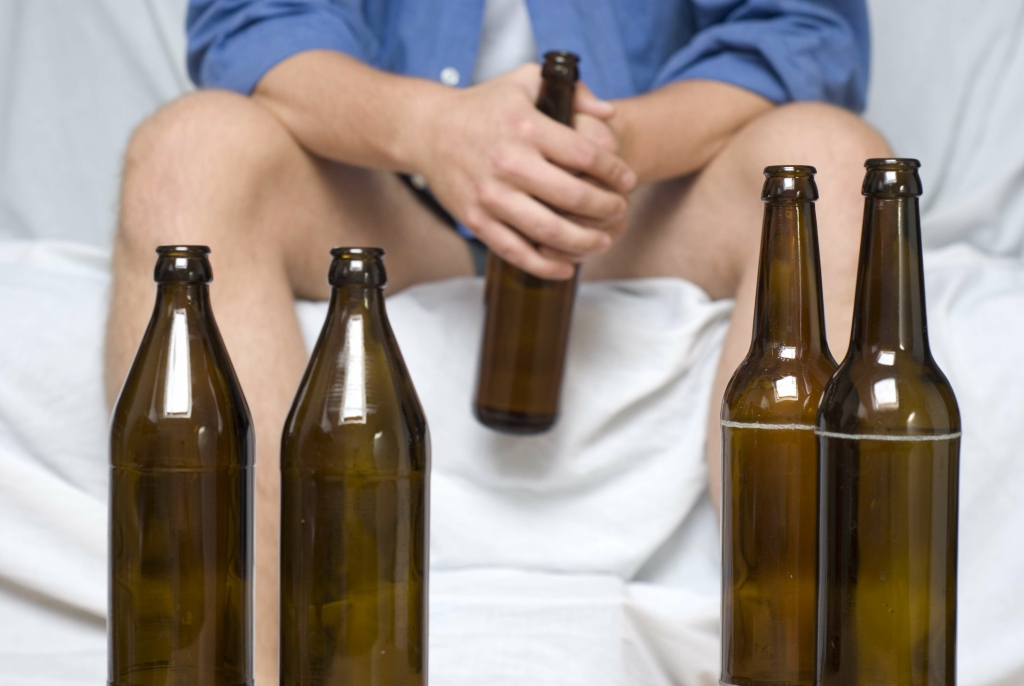
Addressing these relationship issues is essential for encouraging recovery and restoring healthy connections. For those struggling with underlying mental health issues or seeking recovery, understanding the relationship between alcohol use and mental health is essential. For more insights on managing challenges in sobriety, check out how to deal with setbacks in sobriety. The rising trend of heavy drinking among younger White and Hispanic women highlights a need for awareness. As women’s social roles evolve—such as achieving higher education levels and marrying later—patterns of drinking have also changed. Discover the signs of alcoholism in women and learn how to recognize the impact on health and relationships.
Identifying the Physical Signs of Alcohol Abuse
These initial symptoms of alcoholism often develop gradually and may seem subtle at first. The Recovery Village Columbus offers comprehensive addiction treatment for drug and alcohol addictions and co-occurring mental health conditions. The progression of alcoholic liver disease produces distinctive physical manifestations that serve as essential diagnostic indicators.
It’s important to mention that although the symptoms may be an indication that a person is an alcoholic, it is in no way definitive. Refrain from making accusations or confronting anyone before you have confirmed in a gentle way that the person is actually using alcohol. By Buddy TBuddy T is a writer and founding member of the Online Al-Anon Outreach Committee with decades of experience writing about alcoholism. Because he is a member of a support group that stresses the importance of anonymity at the public level, he does not use his photograph or his real name on this website. In the DSM-5, alcohol use disorder is further classified into categories of mild, moderate, and severe. Alcoholic myopathy can affect appearance by decreasing muscle mass, making arms and legs appear thin and weak.
People with alcoholism symptoms frequently rationalize their consumption by comparing themselves to others who “drink more” or claim they can stop anytime they choose. They may blame external circumstances for their drinking while rejecting suggestions about seeking help or reducing consumption. The prioritization becomes evident when individuals consistently choose drinking over previously valued activities. They might miss important family gatherings, cancel commitments with friends who don’t drink, or arrive late to obligations due to drinking or recovering from its effects. This pattern represents a fundamental shift where alcohol becomes the organizing principle of daily life rather than a recreational activity. They may lose feelings of hunger or no longer have a desire for food, as their focus shifts to alcohol.
The post 15 Signs Your Body Is Telling You You’re Drinking Too Much first appeared on Stud'Art.
]]>The post Dangers of Mixing Hydrocodone with Alcohol first appeared on Stud'Art.
]]>Cocaine Withdrawal Signs and Symptoms
- Polysubstance use (using more than one drug simultaneously) can increase the likelihood of developing dependence or addiction.
- When taken together, its side effects can cause lasting, irreversible damage to the body.
- The best way to detox is to seek help from an experienced addiction treatment team.
- If you are unsure about whether a non-opioid pain reliever is safe to use with alcohol, consult a medical professional.
Hydrocodone is one of the most commonly prescribed opioids for managing pain. Many people may be more familiar with the brand names of drugs that contain hydrocodone, such as Vicodin, Lortab, Lorcet or Norco. For individuals and their loved ones grappling with addiction to alcohol or prescription medications, the journey toward recovery may seem daunting. However, it’s important to remember that you’re not alone in this fight. Wellness Retreat Recovery Center, located in the serene landscape of Northern California, offers a beacon of hope for those seeking a way out of the darkness of addiction. The confluence of Norco and alcohol poses a severe threat to liver health, predominantly due to the hepatotoxic effects of acetaminophen and alcohol.
Don’t wait— reach out today to take the first step toward taking control of your life. Mixing Norco and alcohol can exacerbate mental health issues such as depression and anxiety. Both substances can affect neurotransmitters in the brain that regulate mood, leading to heightened feelings of sadness or hopelessness. Additionally, the impairment in judgment and cognitive function can worsen the symptoms of existing mental health conditions. Consuming large amounts of acetaminophen, especially when combined with alcohol, can overwhelm the liver’s ability to process the substances, leading to liver toxicity or failure. AUDs contribute to a staggering number of preventable deaths annually, highlighting alcohol’s role in exacerbating chronic health conditions and its involvement in accidents and injuries.
The 6 Stages of Mental Health Recovery
This accessibility, coupled with a lack of awareness about the risks of opioid medication, fuels the cycle of abuse. Drinking alcohol at the same time or within a few hours of using other drugs like opioids or benzodiazepines can cause serious harm. It can make it hard to breathe, which can damage your brain and other organs.
Addiction Treatment
If you or someone you love is struggling with opioid and alcohol use, reaching out for help is a courageous first step. At The Recovery Village Palmer Lake, we understand the complexities of polysubstance addiction and offer individualized treatment plans that address both opioid and alcohol dependence. Through medical detox, evidence-based therapies, medication-assisted treatment and comprehensive aftercare, healing and long-term recovery are possible. The reason why mixing hydrocodone with alcohol is so dangerous is because both substances have very similar qualities. By mixing these two substances, you experience intense side effects that are not only serious, but potentially life threatening.
If someone is mixing Norco and alcohol, it’s important to monitor them closely for signs of overdose or severe side effects. Encourage them to avoid consuming both substances together and to seek medical advice on managing their use of Norco, especially if they have a history of substance abuse. In cases of overdose or severe reaction, seek emergency medical assistance immediately. The Recovery Village at Palmer Lake offers comprehensive addiction treatment for drug and alcohol addictions and co-occurring mental health conditions.
This effect worsens with other central nervous system depressants, like alcohol, highlighting serious health risks. If you or someone you know is taking hydrocodone and tends to drink alcohol as well, it’s important to understand the potential risks. Being aware of these interactions can help save lives and prevent medical emergencies or long-term health issues, including addiction. If you or someone you love is struggling with hydrocodone or alcohol addiction, The Recovery Village Ridgefield is here to help. Contact us today to speak with a representative and learn more about addiction treatment programs that can work well for your situation. Signs of an overdose from mixing Norco and alcohol include extreme drowsiness, confusion, difficulty breathing, slow or irregular heartbeat, clammy skin, seizures, and loss of consciousness.
Find Drug Rehabilitation Centers Near You Anywhere In the US
Since both substances can make a person extremely sleepy or unconscious, they may not be able to seek help or recognize their life-threatening symptoms. If you notice any of these symptoms and suspect an individual is suffering from an overdose either from mixing hydrocodone with alcohol or from taking illegal drugs, call immediately. Immediate medical treatment is needed for this life threatening situation. Calls to any general helpline listed on this site may be answered or returned by a paid advertiser that is a licensed treatment provider. There is no obligation to enter treatment, and we do not receive any commission or fee based on which provider you choose. All calls are confidential, and the information on AddictionResource.com is for informational purposes only and not a substitute for professional medical advice.
- It is our hope that by providing this information we can help you better understand why seeking treatment for substance use disorders and alcohol abuse disorders is so important.
- If you or someone you know is taking hydrocodone and tends to drink alcohol as well, it’s important to understand the potential risks.
- While non-opioid pain relievers typically have different mechanisms of action, consuming them with alcohol can still have serious health implications.
We publish material that is researched, cited, edited and reviewed by licensed medical professionals. The information we provide is not intended to be a substitute for professional medical advice, diagnosis or treatment. It should not be used in place of the advice of your physician or other qualified healthcare provider. The dangers of combining opioids with substances such as alcohol, benzodiazepines, and other opioids are numerous and potentially fatal. Users who are abusing opioids are at the highest risk of adverse effects. That is why seeking help at a drug rehabilitation center is the first stage in successful recovery from addiction.
We will take a closer look at exactly why mixing hydrocodone with alcohol is so dangerous. It is our hope that by providing this information we can help you better understand why seeking treatment for substance use disorders and alcohol abuse disorders is so important. It is generally advised to avoid alcohol while taking Norco due to the increased risks of severe side effects, including liver damage, respiratory depression, and increased risk of overdose. If you are taking Norco and have questions about alcohol consumption, consult with a healthcare professional for personalized advice. Mixing opioids and alcohol can be deadly due to the compounded effects they have on the central nervous system.
People with chronic pain conditions should be especially cautious about mixing any medication with alcohol and should always consult their healthcare provider. If you, or a loved one, have been mixing hydrocodone with alcohol, it is extremely important that you don’t try to attempt to detox or stop taking the substances on your own. Detoxing on your own is not only extremely painful and uncomfortable, but it is dangerous and potentially life threatening. The combined respiratory-depressing effects of alcohol and opioids significantly increase the risk of a fatal overdose.
Insufficient oxygen impacts all organs, but Norco and alcohol mostly the brain, which is vulnerable. Wellness Retreat Recovery Center is here to guide you through every step of your recovery journey. Medical help should be contacted immediately if an overdose is suspected. Learn about other ways to lower rates of excessive alcohol use and alcohol-related injury and overdose.
Hydrocodone treatment may include getting concurrent help for alcohol addiction and attending opioid and alcohol support groups. It may also involve receiving treatment at an inpatient or outpatient rehabilitation facility and attending counseling or behavioral therapy sessions. There are also many other approaches that may be included in treatment. When hydrocodone and alcohol are taken together, the side effects of each are magnified. Both of these substances are CNS depressants that slow your breathing and heart rate and reduce your cough reflex.
The combination not only poses a significant risk to individual health but also burdens healthcare systems with the management of complications arising from such polydrug abuse. It reflects a critical area of concern within public health, necessitating targeted interventions, education, and policy measures to address and prevent the dual abuse of alcohol and Norco. The intricate dynamics of alcohol and Norco abuse unveil a spectrum of health risks, societal impacts, and challenges in public health management. Both substances, while differing in their origins and primary uses, share a commonality in their potential for abuse and the dire consequences that ensue. While respiratory depression is the main danger of combining Norco and alcohol, this drug combination can also affect the liver. The FDA recommends a maximum daily dose of 3,000 mg of acetaminophen, which is the equivalent of nine Norco tablets.
What Are Opioids?
It is crucial to raise awareness about the risks of mixing these substances to prevent serious consequences. Our state-specific resource guides offer a comprehensive overview of drug and alcohol addiction treatment options available in your area. Acetaminophen is commonly used for mild to moderate pain and fever reduction. While it is not an opioid, large doses of acetaminophen can cause liver damage. When taken with alcohol, the risk of liver injury increases significantly because the liver must work harder to metabolize both substances.
The post Dangers of Mixing Hydrocodone with Alcohol first appeared on Stud'Art.
]]>The post How to Transition Back to Everyday Life After Rehab first appeared on Stud'Art.
]]>Remember, recovery is a continuous process, and with patience and perseverance, a balanced and rewarding life free from addiction is within reach. Transitioning back into everyday life after rehab is a multifaceted challenge that requires careful planning, ongoing support, and self-compassion. Remember, recovery is an ongoing journey — one full of personal growth, healing, and transformation. As you navigate this path, know that help and resources are always available to support your continued success. Rebuilding your life after addiction treatment is a complex, multi-faceted journey that requires patience, commitment, and support.
- As recovery progresses, the focus shifts toward strengthening decision-making skills, impulse control, and emotional regulation.
- This article will cover the top 8 ways to rebuild your life after addiction.
- This gentle approach allows you to adjust and build resilience without the pressure of perfection.
- This blog post will explore practical strategies to help you stay on track, from establishing healthy routines to building a strong support system.
- In summary, long-term recovery hinges on harnessing support from family, peers, and community resources.
The Benefits of 12-Step Programs in Recovery
Additionally, adopting a balanced diet rich in brain-healthy foods is vital. Nutritional deficiencies often result from addiction, and replenishing these nutrients supports overall brain health. Overall, incorporating these strategies can significantly enhance your ability to maintain balance both during and after your recovery journey. Balancing life during and after addiction recovery can be achieved through several effective strategies.
Embrace each step forward as an investment in a healthier, happier future. Creating a balanced life after overcoming addiction requires dedication, strategic planning, and an unwavering commitment to personal growth. By embracing a rebuilding your life after addiction holistic approach that addresses the mind, body, and spirit, individuals can establish a fulfilling recovery journey. Engaging with supportive networks, developing healthy routines, and fostering a sense of purpose are fundamental in ensuring long-term sobriety.
Recognizing this can empower individuals to navigate through these intense moments. The rewiring process for your brain is unique and can take several months, underscoring the importance of commitment and continuous support during recovery. Addiction can significantly alter the brain’s wiring, affecting areas responsible for decision-making, reward, and impulse control. These changes can lead to impaired judgment and an inability to manage emotions effectively, making recovery a complex journey.
This requires a proactive approach to manage money and explore career opportunities. Cognitive skills empower you to think clearly, solve problems, and make sound decisions. Establishing ground rules in the home fosters a secure and supportive atmosphere.
Rebuilding your life after addiction is a journey that extends beyond rehabilitation. It involves understanding your challenges, building a strong support framework, prioritizing self-care, and maintaining hope through ongoing growth and therapy. Remember, recovery is a dynamic process that requires patience, resilience, and a commitment to personal transformation. With the right resources, community, and mindset, you can forge a fulfilling, sober life that aligns with your values and aspirations.
Addiction Treatment Programs
Some of the best habits to incorporate into a healthy routine are eating a healthy diet, maintaining a proper sleep schedule, and exercising regularly. Be patient with yourself and those around you; restoring trust takes time. Set clear boundaries to avoid potential triggers and maintain accountability, which plays a significant role in preventing relapse.
Why Relapse Is a Part of Recovery, Not a Failure
The journey of self-discovery involves re-engaging with former interests and exploring new endeavors. Resetting your brain after overcoming addiction begins with understanding the specific brain regions impacted by substance use. Key areas to consider include the basal ganglia, which has a significant role in habit formation, and the prefrontal cortex, responsible for decision-making and impulse control. In summary, embracing open communication and promoting constructive activities can build a robust support system, crucial for successful reintegration into daily life post-rehab. Effective communication with employers facilitates a smoother reintegration into the workplace.
- This support can guide and reinforce individuals on their path to sustained recovery.
- Techniques such as mindfulness and meditation are excellent tools for managing stress and enhancing emotional well-being.
- The CDC recommends at least 150 minutes of moderate activity each week.
- Rebuilding your life after addiction is a profound journey marked by growth and new beginnings.
Having a strong support system can make a huge difference in your recovery. Surrounding yourself with understanding, supportive people helps you stay motivated and provides a safety net during tough times. Practicing good sleep hygiene includes maintaining a regular sleep schedule, avoiding screens before bed, and creating a restful environment.
Leaving Toxic Environments
A foundational aspect involves consistent self-care practices, which include engaging in regular physical activity, eating nutritious foods, and ensuring adequate sleep. These habits support both mental and physical health, making it easier to handle stress and emotional challenges. Rebuilding life after addiction is a multifaceted process that involves more than just abstaining from substances. It requires developing a comprehensive, personalized long-term recovery plan in collaboration with addiction specialists. A well-crafted plan helps set realistic goals and emphasizes impulse management, emotional resilience, and personal growth.
Setting and Achieving Personal Goals
It’s beneficial to discuss your recovery journey openly with your supervisor, when comfortable, to build understanding and support. These strategies, centered on forgiveness, communication, and professional support, are foundational steps toward a healthier, more fulfilling life post-addiction. Resources like SAMHSA’s National Helpline are valuable tools, connecting individuals with local treatment facilities and community organizations. This support can guide and reinforce individuals on their path to sustained recovery. Practical tools such as problem-solving skills, assertiveness training, and setting achievable goals help individuals handle everyday stressors effectively.
Support Groups Like AA/NA
By developing essential life skills, nurturing relationships, and seeking the right support systems, you can create a fulfilling and sustainable future. Managing stress effectively can significantly aid in maintaining emotional stability during recovery. Techniques such as mindfulness, meditation, and deep breathing exercises help individuals cope with negative emotions without resorting to substances.
How to maintain a healthy lifestyle during recovery
Lastly, consider community support options, such as joining groups or attending workshops that promote sober living. Engaging in activities like volunteering or pursuing hobbies can foster a sense of belonging and purpose, essential for recovery. Recovery is a continuous journey, often requiring immense patience, both with oneself and those around you.
The post How to Transition Back to Everyday Life After Rehab first appeared on Stud'Art.
]]>The post A Comprehensive Guide on How to Start a Sober Living Home first appeared on Stud'Art.
]]>Steps to Launching Your First Sober Living Home

Transitional housing programs often run up against NIMBY (not-in-my-backyard) sentiments and other biases. Robert Friant of the Corporation for Supportive Housing (CSH) has some tips for addressing NIMBYism. Typically, transitional housing is permitted by all local zoning laws, so feel free to look in commercial or residential areas, but keep https://terminal123.com/sober-living-house-what-is-is-and-how-it-works-3/ in mind what the residents will need in their area.

Consulting For Sober Living Homes
According to the Pennsylvania Department of Drug and Alcohol Programs (DDAP), only some sober living homes will be required to submit to state licensing. We’ve been waiting for Pennsylvania to finalize it’s “halfway what is Oxford House house” regulations for quite some time. In addition, deciding your charges for residential services is also essential to judge the profitability of your residential services. When Real Estate investors are looking for rental properties, many choose to buy homes and secure long-time renters. This is a good strategy, but today, many long-term renters have lost their jobs and are unable to pay their rent. Each time a renter moves, it costs the homeowner money to clean, paint have the property ready for the next renter.
Funding Requirements
It’s important to https://ecosober.com/blog/what-is-a-sober-house/ ensure that your sober living home has a reliable internet connection. You can choose from a variety of internet service providers, and it’s important to choose one that offers high-speed Internet and good customer service. You should have a clear system in place for collecting rent from your residents.
- The residential property will need to be large enough to accommodate the number of residents you wish to serve.
- Sober living isn’t about “getting rich.” It’s about creating stability for residents while running a disciplined, mission-driven business.
- By conducting a market analysis, developing a solid business plan, and choosing the right location, you can establish a safe and supportive environment for individuals in recovery.
- You should have a system in place for maintaining the property, including landscaping, repairs, and maintenance.
ASCENSION RECOVERY SERVICES
- They must meet certain parameters regarding programming, certifications, and licensing.
- If you are looking for a way to diversify your investments, a halfway house is a good way to do exactly that.
- Here are groups you can consider to better ensure your business’s longevity.
- They also establish a complaint structure whereby sober living home operators can be fined $100 for each legitimate complaint filed by residents, family, friends or community members.
 Location – Look for a property that is located in a safe and accessible area.
- Develop and implement programs that promote physical, mental, and emotional well-being.
Licensing is generally required for facilities that offer detox, group therapy, https://ecosober.com/ personal therapy, workshops, or addiction treatment planning. If you’re unsure of licensing or regulation requirements, seek guidance from local county or city offices for more information. The success of your sober home investment requires that you are operating legally and abiding by proper zoning and licensing requirements. Before purchasing a property, you should always thoroughly inspect local and state laws to prevent problems down the road. A sober living home is a residence for individuals recovering from addiction, providing an alcohol and drug-free environment to support their journey to sobriety.
The post A Comprehensive Guide on How to Start a Sober Living Home first appeared on Stud'Art.
]]>The post Best Drug Detox Near Me: Find the Best Centers Nearby Today first appeared on Stud'Art.
]]>Common misconceptions about detoxing
Understanding these factors can help give you an idea of what to expect during this critical phase of addiction treatment. Find rehab for yourself or a loved one by speaking with a treatment provider. Discover affordable rehab centers near you, offering easy access and convenience. Safety during the detoxification process and the importance of continued rehabilitation is detailed by Dr. Ashish Bhatt, MD. The taper period varies depending on how long you’ve been using the drug and how much you’ve been taking.
What is the best way to detox your body?
While detox alone is not sufficient for long-term recovery, it lays the essential groundwork for further treatment. In just 2 minutes, you can speak with an admissions specialist, verify your insurance, and explore treatment options that work for you. By clicking “Submit,” you certify that you have provided your legal name and phone number, agree to the terms and conditions and privacy policy, and authorise Paid Advertiser to contact you. You consent to receive SMS notifications and promotions from Paid Advertiser. In addition to managing a successful family medical practice, Dr. Hoffman is board certified in addiction medicine by the American Osteopathic Academy of Addiction Medicine (AOAAM).
Day Inpatient Rehab in Colorado

In addition, recovery leads to reductions in crime, general healthcare costs, and expensive acute medical and surgical treatments consequent to untreated substance abuse (Abbot et al. 1998; Aszalos et al. 1999). While detoxification is not treatment per se, its effectiveness can be measured, in part, by the patient’s continued abstinence. Drug detox is the initial step in overcoming substance dependence, focusing on the safe removal of toxic substances from the body. It is a medically supervised process designed to manage withdrawal symptoms and help individuals achieve physical stability before continuing treatment. According to the 2020 National Survey of Substance Abuse Treatment Services (N-SSATS), there were 1,839 facilities in the United States providing detoxification services.
Prior to the 1970s, public intoxication was treated as a criminal offense. People arrested for it were held in the “drunk tanks” of local jails where they underwent withdrawal with little or no medical intervention (Abbott et al. 1995; Sadd and Young 1987). Shifts in the medical field, in perceptions of addiction, and in social policy changed the way that people with dependency on drugs, including alcohol, were viewed and treated.

Liver-Supporting Nutrients
Often drug detoxification and treatment will occur in a community program that lasts several months and takes place in a residential setting rather than in a medical center. Individuals with substance use disorders most commonly seek medical detox treatment when they risk experiencing withdrawal symptoms from drugs or alcohol. Along with tolerance (the need for higher amounts of a drug to achieve a given effect), withdrawal indicates that the body has become physically dependent on a substance.
Water transports these waste products, efficiently removing them through urination, breathing, or sweating. Excessive drinking can severely damage your liver function by causing fat buildup, inflammation, and scarring. “Cold turkey“ is a term used to drug addiction describe the decision to abruptly stop using a substance. However, getting rid of the addictive substance is just the first step to feeling better. Take note that there is no one detox method that is applicable to everyone. It’s best to address your unique needs by consulting your doctor or an addiction specialist.
Your doctor can assess your individual needs based on your substance use and personal medical history to create an individualized detox plan that works best for you. They can also monitor you and your withdrawal symptoms around the clock and offer assistance. A treatment center will attempt to verify your health insurance benefits and/or necessary authorizations on your behalf. We cannot guarantee payment or verification eligibility as conveyed by your health insurance provider will be accurate and complete.
Detoxing by yourself can sometimes be dangerous and is not generally recommended. Inpatient programs are the most commonly used facilities for medically assisted detox. This may seem like the easiest and cheapest way to detox, but quitting cold turkey can have serious health risks.
- If dangerous withdrawal symptoms or complications occur, it can be harder to seek immediate medical attention.
- A tapering schedule is typically customized based on the individual’s substance use history, dosage, and overall health.
- Drug and alcohol detox can be an important first step toward recovery and healing for people with substance use disorders.
- After evaluation, your team will design a customized treatment plan, which may consist of medications to ease withdrawal symptoms.
- Our Treatment Advisors are available 24 hours a day to help you or a loved one access care.
- One of the newest addiction treatment medications available today, Sublocade is a long-acting injectable form of buprenorphine.
Your intestines play a crucial role in preventing toxins from entering your bloodstream while simultaneously eliminating waste products through bowel movements. We have treated more than 80,000 patients on our mission to save one million lives. Not everyone will be ready to enter a facility the first time they visit our site. For those who aren’t, we have a resource page for best practices, harm reduction, and more. We also provide resource guides for veterans, LGBTQ, the elderly, adolescents, and college students. Whatever your goals, it’s the struggle to get there that’s most rewarding.

Don’t wait— reach out today to take the first step toward taking control of your life. The NCCIH Clearinghouse provides information on NCCIH and complementary and integrative health approaches, including publications and searches of Federal databases of scientific and medical literature. The Clearinghouse does not provide medical advice, treatment recommendations, or referrals to practitioners. Your body has a sophisticated way of eliminating toxins that involves the liver, kidneys, digestive system, skin, and lungs. Still, only when these organs are healthy can they effectively eliminate unwanted substances.
The post Best Drug Detox Near Me: Find the Best Centers Nearby Today first appeared on Stud'Art.
]]>